Self-Regulated Learning and Mind Wandering in Video-Based Learning: A Naturalistic Study
08/2026
·
1 min read
Abstract
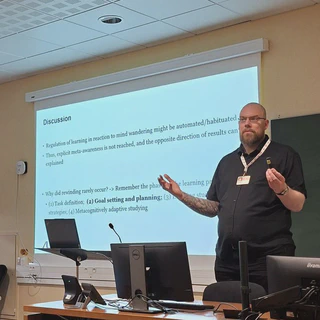
Video-based learning is commonplace in higher education. While videos offer flexibility and convenience, they also require sustained attention. Learners frequently experience mind wandering that can negatively impact on their learning. However, self-regulated learning strategies can help to mitigate these attentional lapses. This naturalistic case study explored how students’ self-regulated learning aptitude relate to their awareness of mind wandering. The study included observations of video rewinding behaviour after students become aware of mind wandering. Fifty-three undergraduate students completed the self-regulation for learning online (SRL-O) questionnaire and reported instances of mind wandering during video-based learning. Students with higher scores on Online Effort Regulation and Planning and Time Management reported fewer instances of mind wandering. Students rarely rewound the video despite recognising instances of mind wandering. This prompts questions about whether students require explicit guidance on how to respond when becoming aware of their mind wandering.
Date
08/2026
Event
Location
Clermont Auvergne University
This talk resulted from my PhD.